Skip to the main content
Tricks of Ear and EyeHow reality gets edited on the way in.

Category

Sound

Named acoustic and psychoacoustic effects, each with a synthesized demo sound; a measured spectral difference is not passed off as audible. No hearing advice.

3 entries so far

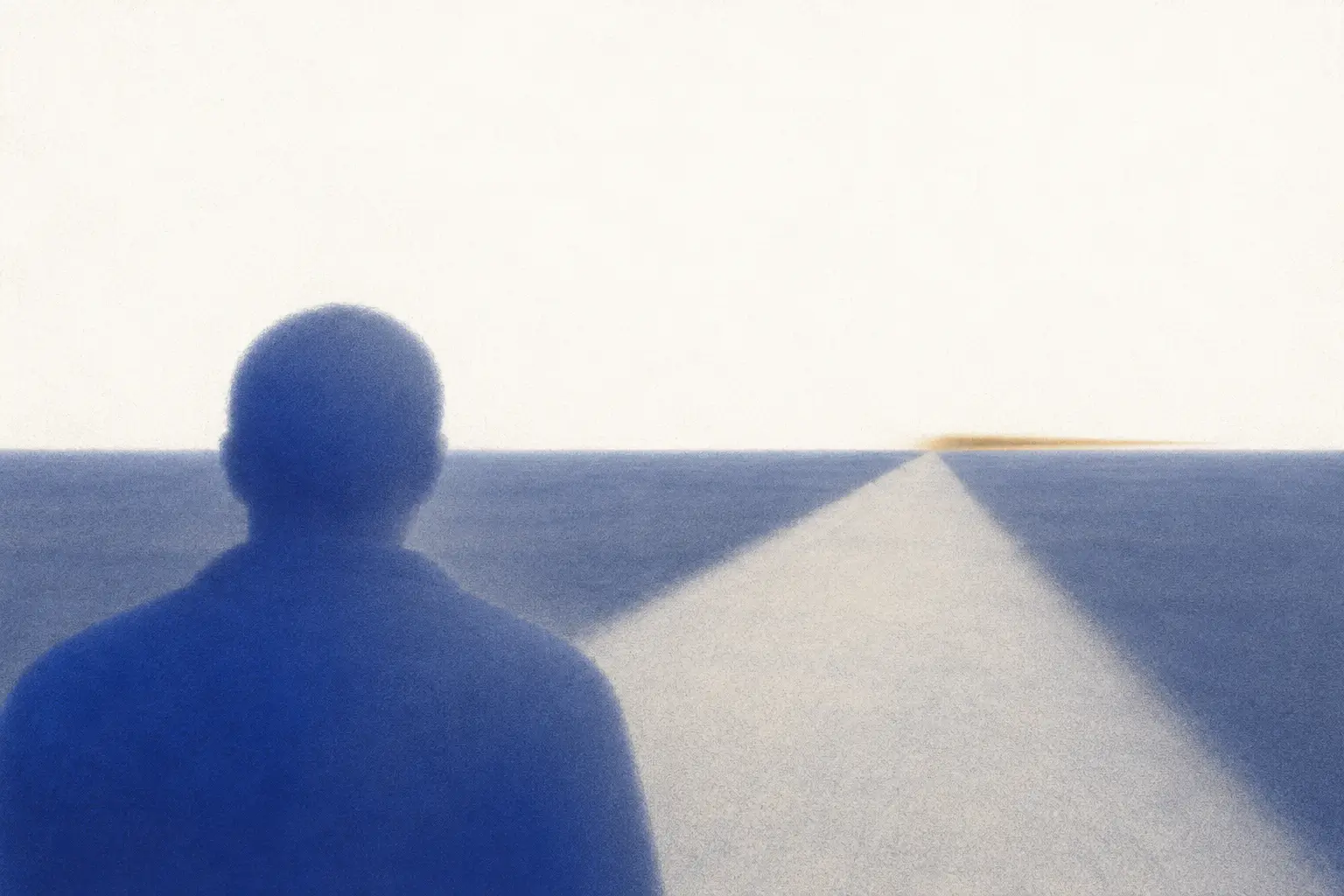
Illustration: a listener's silhouette beside an empty road as a featureless horizontal blur passes in the distance Illustration

Doppler Effect: Listeners Report a Rise the Frequency Lacks

Sound

Five synthesized passes, 20 to 300 km/h: at a steady speed in a straight line, the frequency only falls. Listeners in a 1996 study still reported a rise.

Image credit

Illustration: Tricks of Ear and Eye. Generated schematic image — not a photograph, specimen record or perceptual simulation. Reuse permitted with this credit line; provided as is.
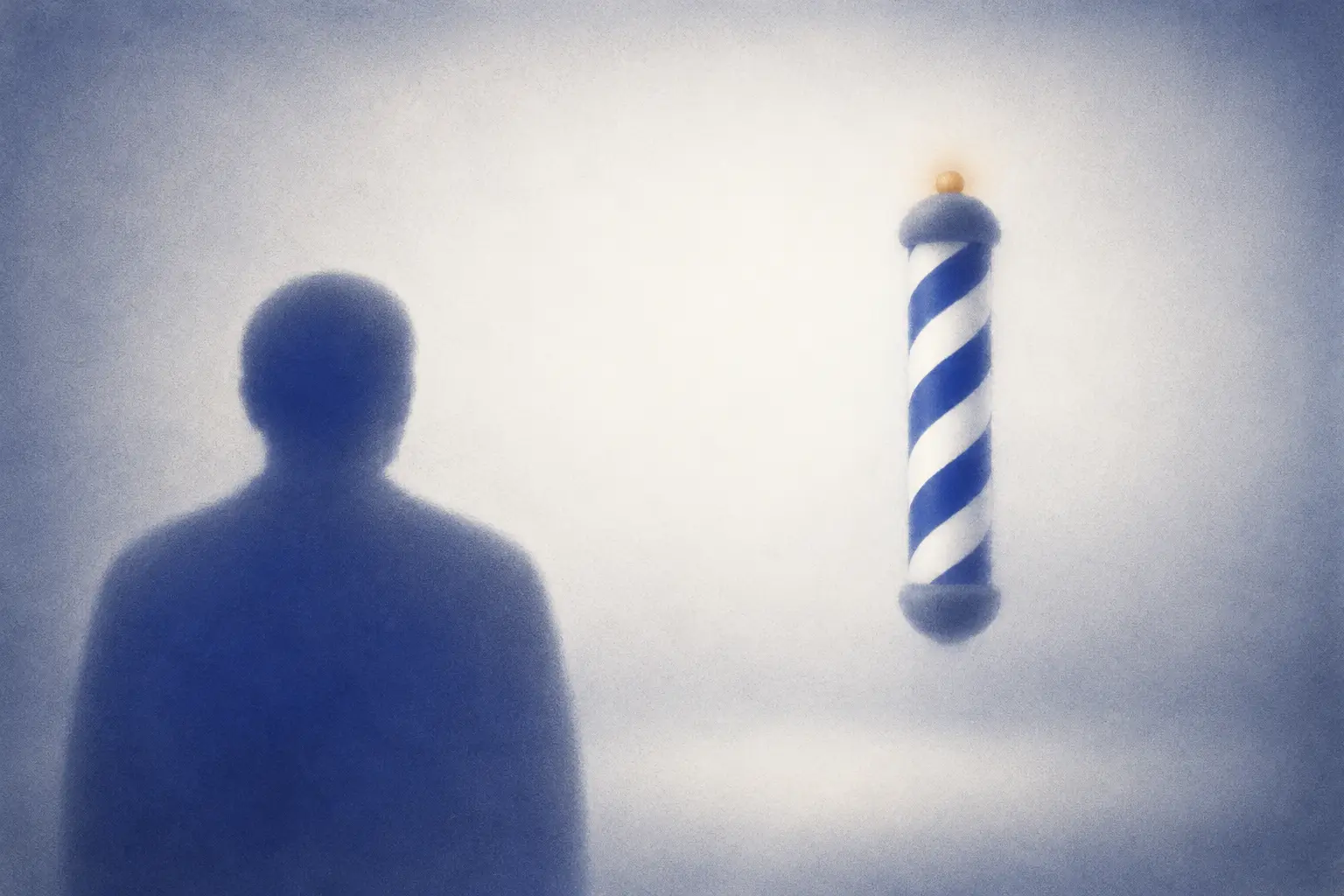
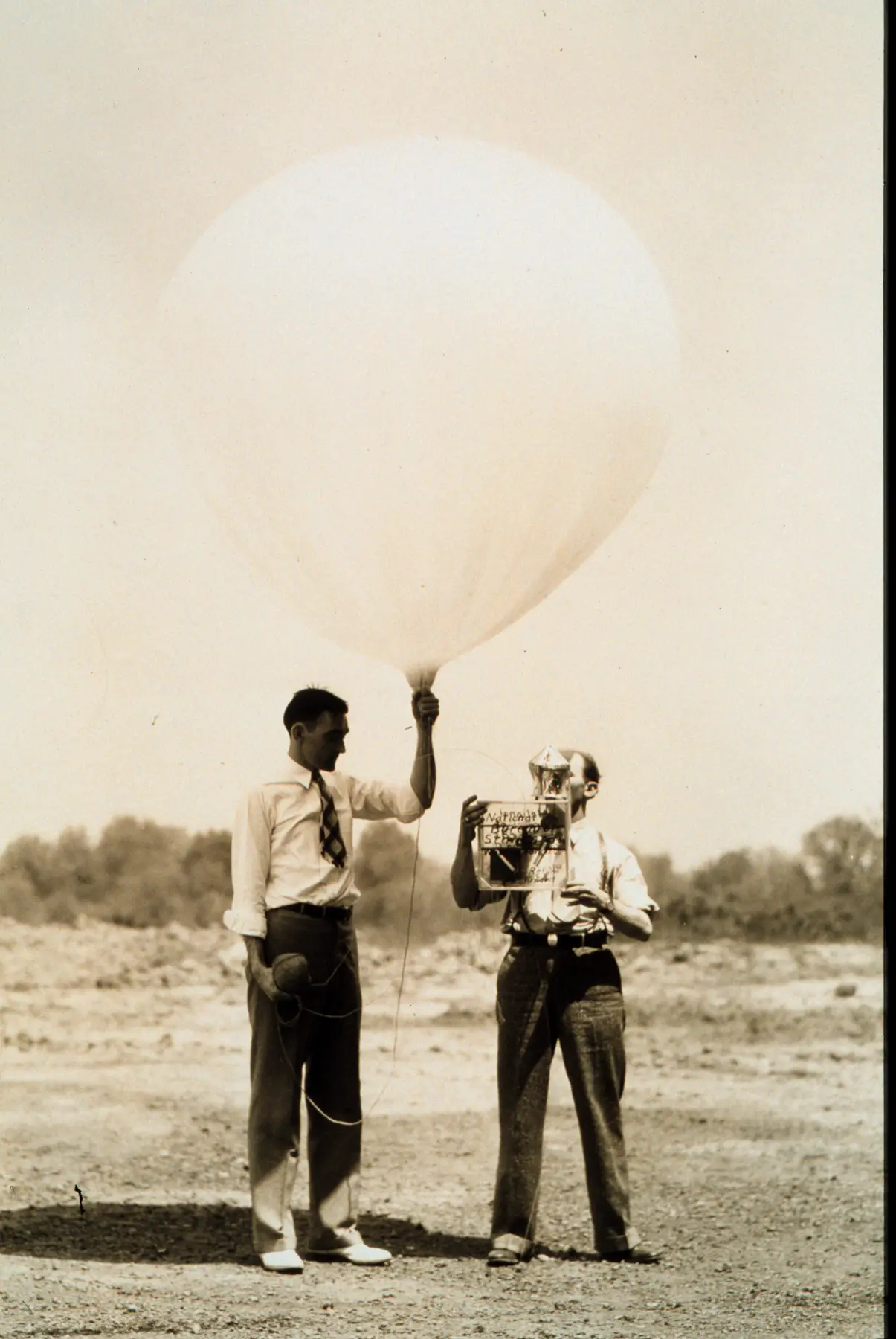
Illustration: a listener seen from behind, a few steps from a blue-and-white striped barber pole Illustration

Shepard Tone: 12 Steps Up, and the Same Sound Comes Back

Sound

Clip 1 lifts each component of a Shepard tone a semitone 12 times, and tone 13 matches tone 1. Listeners in experiments tended to report the shorter way around.

Image credit

Illustration: Tricks of Ear and Eye. Generated schematic image — not a photograph, specimen record or perceptual simulation. Reuse permitted with this credit line; provided as is.

1936 photograph: two men prepare an early radiosonde, one holding up a large balloon, the other an instrument box

Why Helium Changes Your Voice: Its Resonances Rise

Sound

In heliox, a voice's source frequency barely shifts while its resonances rise. Two synthetic clips share a 120 Hz source; one has resonances 1.85 times higher.

Image credit

"Early launch of radiosonde, Washington, D.C., 1936" by NOAA Photo Library — https://commons.wikimedia.org/wiki/File:Wea01108_-_Flickr_-_NOAA_Photo_Library.jpg — CC BY 2.0 (https://creativecommons.org/licenses/by/2.0/)