Skip to the main content
Tricks of Ear and EyeHow reality gets edited on the way in.

Category

Animal Senses

How animal receptors work and what models of their responses show, with popular claims traced to the original studies; no claim to show what an animal experiences.

3 entries so far

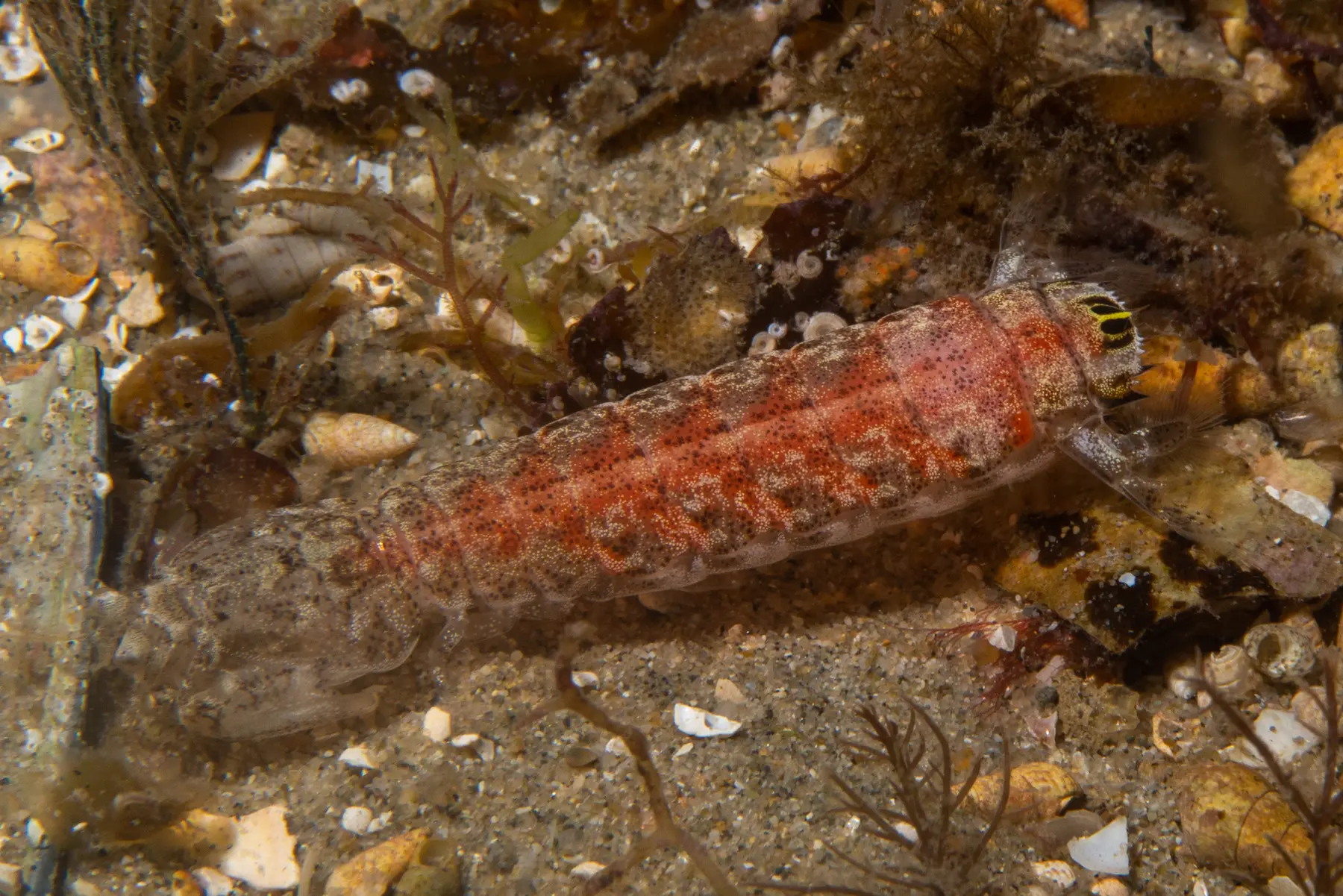
A slender mantis shrimp, Austrosquilla osculans

Mantis Shrimp Eyes: A Tested Species Told Hues Apart Poorly

Animal Senses

Some mantis shrimp have 12 kinds of color receptor, yet in tests they needed wavelengths 15–25 nm apart to tell them apart. Humans manage 1–8 nm.

Image credit

"Slender Mantis Shrimp (Austrosquilla osculans)" by Christopher Mark — https://commons.wikimedia.org/wiki/File:Austrosquilla_osculans_61399682.jpg — CC BY 4.0 (https://creativecommons.org/licenses/by/4.0/)
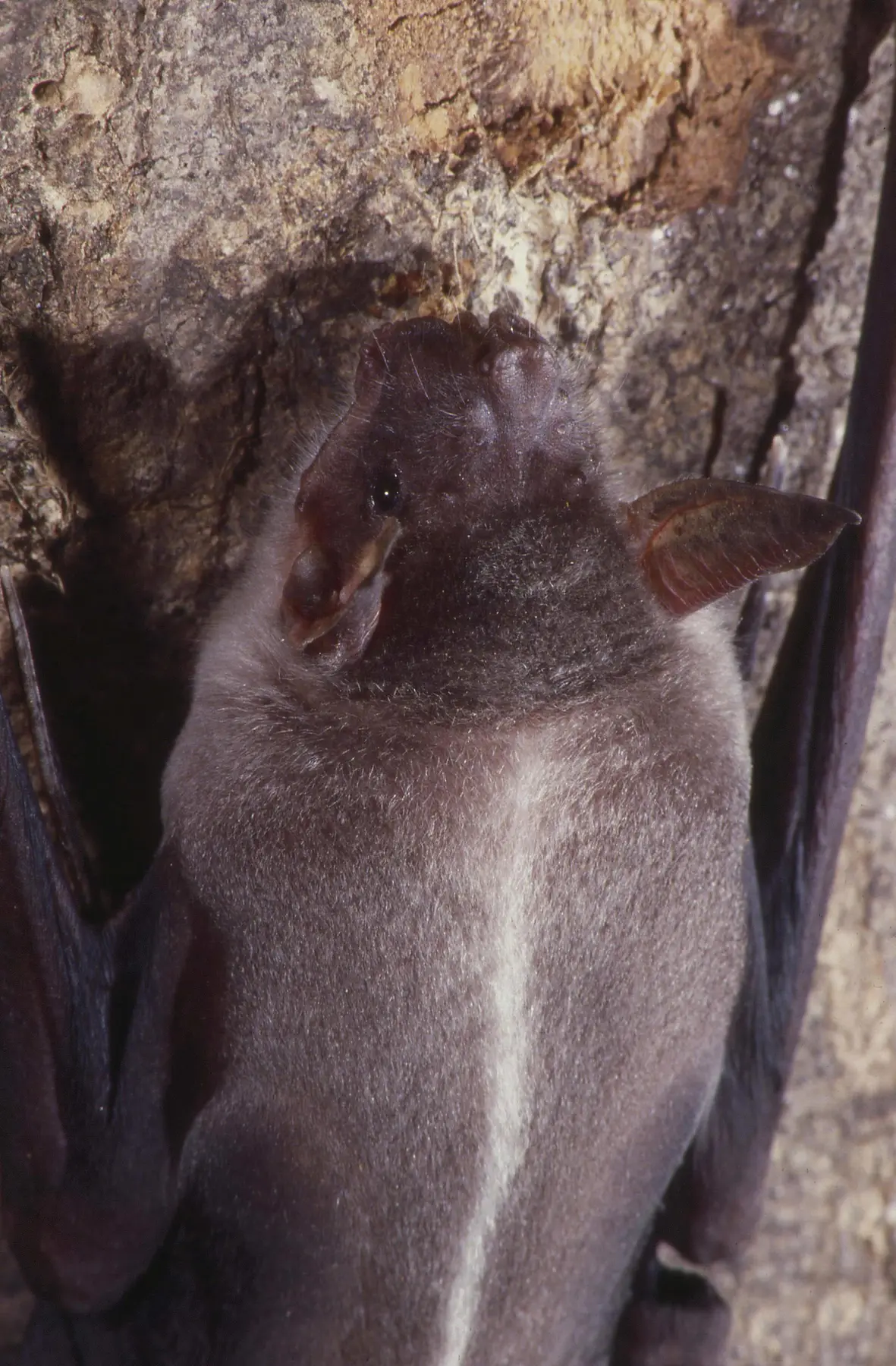
A greater bulldog bat, Noctilio leporinus, an adult kept in captivity

Bat Echolocation: In a Study, Search Calls Peaked at 25+ kHz

Animal Senses

In field recordings of 11 bat species in Panama, the strongest call frequency was above 20 kHz in every one. How loud the calls were, and how echoes give range.

Image credit

"Greater Bulldog Bat, Noctilio leporinus" by Susan Ellis, Bugwood.org — https://commons.wikimedia.org/wiki/File:Captive_Noctilio_leporinus.jpg — CC BY 3.0 (https://creativecommons.org/licenses/by/3.0/us/)

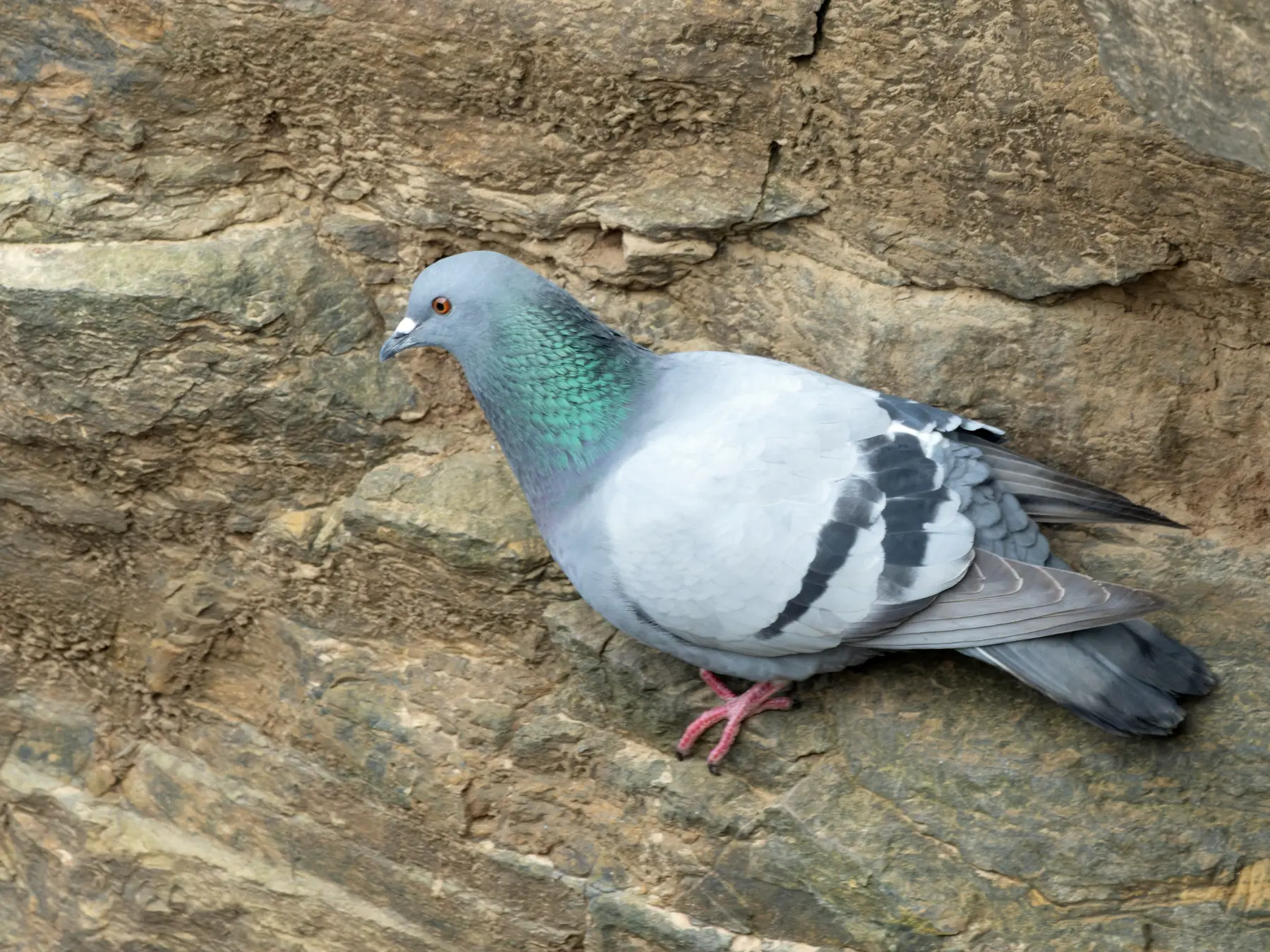
A wild rock dove, Columba livia, at Duncansby Head, Caithness, Scotland

Pigeon Vision: Most of What It Sees, It Sees With One Eye

Animal Senses

Pigeon vision: both eyes share about 20° in front; about 40° at the back is blind (2024 summary; values differ). Shortest cone: about 409 nm (1997 abstract).

Image credit

"Columba livia (Rock Dove, wild), Duncansby Head, Caithness, Scotland" by william_stephens — https://commons.wikimedia.org/wiki/File:Columba_livia_(Rock_Dove,_wild),_Duncansby_Head,_Caithness,_Scotland_1.jpg — CC BY 4.0 (https://creativecommons.org/licenses/by/4.0/)